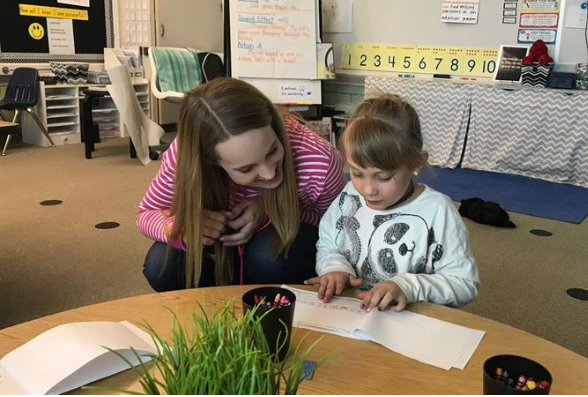
Students working on a virtual reality project in the Digital Learning Lab
As we navigate the rapidly evolving landscape of education in 2025, it's becoming increasingly clear that traditional teaching methods alone are insufficient to prepare students for the challenges and opportunities that lie ahead.
In an era where technological advancements are reshaping industries at an unprecedented pace, educational institutions must adapt to equip students with the skills they'll need for jobs that may not even exist yet. At Built In High School, we've embraced this challenge by implementing innovative approaches that blend project-based learning with cutting-edge technology.
The Rise of Project-Based Learning
Project-based learning (PBL) has emerged as one of the most effective methodologies for developing critical thinking, collaboration, and problem-solving skills. Unlike traditional instruction that often compartmentalizes knowledge into distinct subjects, PBL encourages students to tackle real-world problems through interdisciplinary approaches.
Research conducted by the Learning Sciences Institute found that students engaged in project-based learning demonstrate:
- 40% higher retention of academic content
- 38% improvement in critical thinking abilities
- 27% greater engagement in classroom activities
- 35% stronger communication skills
These findings align with our own observations at Built In High School, where project-based initiatives have transformed passive learners into active problem-solvers.
Technology as an Educational Catalyst
Technology in education isn't just about digitizing textbooks or replacing paper with screens. When implemented thoughtfully, technology serves as a catalyst for deeper learning experiences that would be impossible in traditional settings.
Some of the most impactful technological innovations we've implemented include:
1. Augmented and Virtual Reality
Our students use AR/VR technologies to explore complex scientific concepts, historical events, and geographical locations. Rather than simply reading about ancient Rome, students can walk its streets, interact with its architecture, and gain a visceral understanding of its culture.
2. Artificial Intelligence and Machine Learning
Students aren't just learning about AI—they're creating it. From developing sentiment analysis tools to building predictive models for environmental changes, our students engage with AI technologies as creators rather than mere consumers.
3. Internet of Things (IoT)
Smart devices and sensors have transformed our campus into a living laboratory. Students collect and analyze real-time data on everything from energy consumption to air quality, developing solutions to improve efficiency and sustainability.
Preparing for Unknown Futures
Perhaps the greatest challenge in education today is preparing students for careers that don't yet exist. By some estimates, 65% of students entering primary school today will ultimately work in job types that haven't been invented yet.
This reality demands a fundamental shift in how we conceptualize education. Rather than focusing solely on content knowledge, we must emphasize:
- Adaptability and lifelong learning
- Critical thinking and problem-solving
- Digital literacy and technological fluency
- Creativity and innovation
- Emotional intelligence and collaboration
These skills form the foundation of what we call "future-ready learning"—an approach that prepares students not for specific jobs, but for the capacity to evolve with changing demands.
Measuring What Matters
As our educational approaches evolve, so too must our assessment methods. Traditional standardized testing often fails to capture the complex skills that matter most in today's world.
At Built In High School, we've implemented a comprehensive assessment framework that includes:
- Portfolio-based evaluation of student projects
- Peer and self-assessment protocols
- Industry-partner feedback on student work
- Competency-based progression through learning objectives
This multifaceted approach provides a more accurate picture of student growth than traditional grading systems and better aligns with the expectations of colleges and employers.
The Road Ahead
The transformation of education is an ongoing journey, not a destination. As we look to the future, we see tremendous potential in further integrating emerging technologies, community partnerships, and global collaboration into our educational model.
What remains constant is our commitment to nurturing curious, capable, and compassionate individuals who are ready to thrive in an increasingly complex world. The future of education isn't just digital—it's deeply human.